Which fire extinguisher should you use?
Classes of Fire
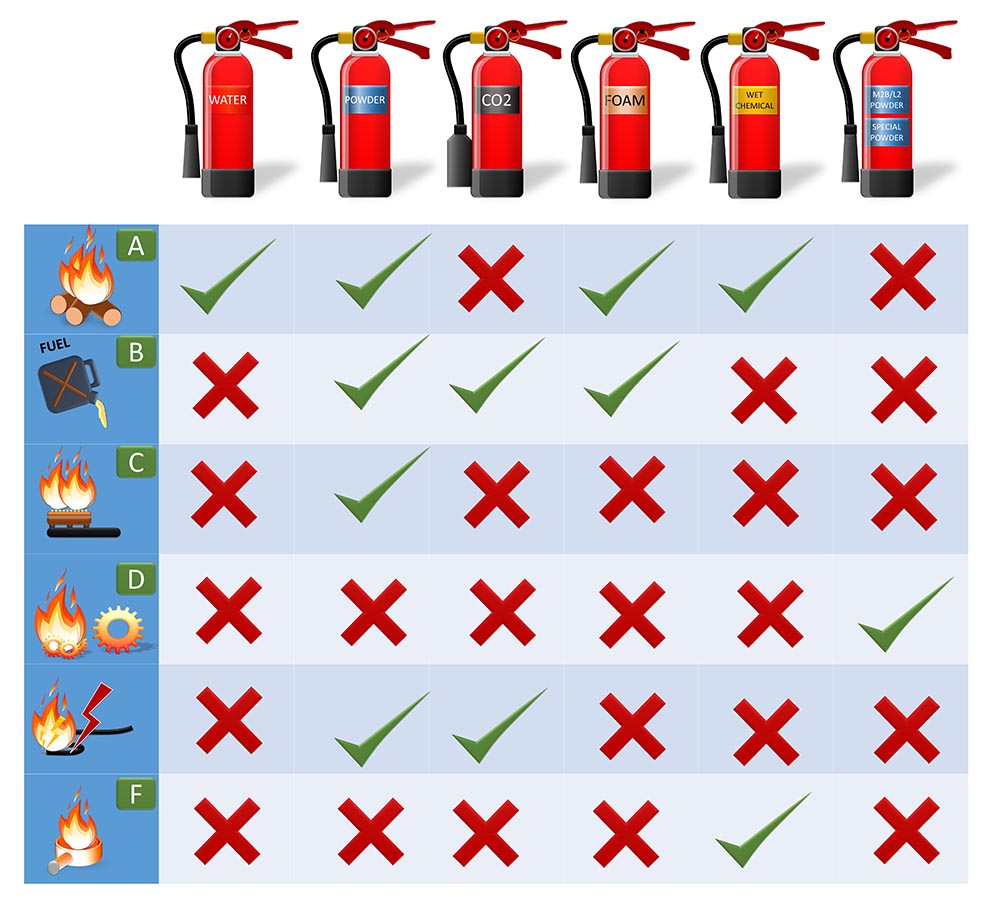
Portable extinguishers are selected according to the class, or type, of fire they are designed to tackle:
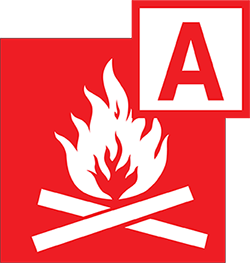
- Class A – ordinary combustible materials such as wood, paper, cardboard and textiles
- Class B – flammable liquids
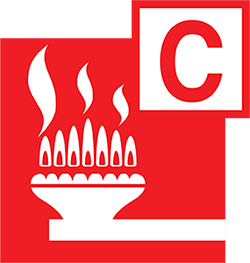
- Class C – flammable gases
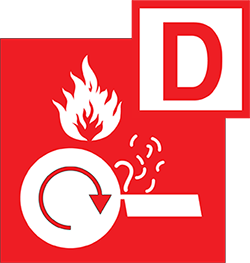
- Class D – combustible metals
- Class F – cooking oils and fats, including deep-fat fryer fires
- Electrical fires – live electrical equipment is shown with an electrical symbol rather than a separate “Class E”



A Note on Electrical Fires
Electricity is usually the ignition source, not the fuel. In practice, an electrical fire may involve materials that fall under another fire class. The safest first step is to isolate the power where possible. Where a water-based extinguisher is intended for electrical risk, it should be specifically certified for that use. Also remember that some equipment can retain a dangerous charge even after it has been switched off.
Extinguisher Colour Identification
Modern portable extinguishers are generally manufactured to BS EN 3. Under this approach, the body is normally red and the extinguishing agent is identified by a coloured panel or band.
- Water – Red colour band – Class A fires
- Water mist – White/Red colour band – Class A fires
- Carbon dioxide (CO₂) – Black colour band – Class B fires – Safe to use on electrical equipment
- Foam – Cream colour band – Class A and Class B fires
- Dry powder – Blue colour band – Class A, Class B and Class C fires – Safe to use on electrical equipment
- Specialist powder – Blue colour band for metal-fire agents – Class D fires
- Wet chemical – Yellow colour band – Class A and Class F fires
Older extinguishers may still appear in full-body legacy colours. Green halon extinguishers are obsolete for general use and should be dealt with through the proper disposal route.
What Extinguisher Ratings Mean
Extinguishers for Class A, Class B and Class F risks carry performance ratings such as 13A or 55B. The letter shows the class of fire and the number shows the scale of fire controlled in standard test conditions. A higher number indicates a greater tested capability.
Class C, Class D and electrical-risk markings are not normally shown with a numerical rating in the same way.
Buying the Right Extinguisher
When buying extinguishers, check that the product is appropriately certified and suitable for the intended risk. For commercial premises, on-site commissioning after delivery is important, because transport can affect the condition of the unit. Avoid suppliers who ‘certify’ extinguishers before they arrive on site.
For homes, a ‘water mist’ extinguisher and a fire blanket will cover many common risks, especially in kitchens and living areas. A wet chemical extinguisher may also be appropriate where cooking-oil fires are a concern. Only attempt to tackle very small fires. If there is any doubt, evacuate immediately and call the fire service.
For workplaces, public buildings and other non-domestic settings, extinguisher selection should follow a site survey or fire risk assessment. The survey should consider the hazards present, travel distances, likely users, and the performance ratings needed.
Where to Place Extinguishers
Good siting is just as important as correct selection. In general, extinguishers should be:
- Located on escape routes and at designated fire points
- Easy to see and quick to reach
- Positioned near exits or close to specific fire risks where appropriate
- Kept out of cupboards, behind doors and away from extreme heat or cold
- Mounted so the carrying handle is about 1.0 m above floor level for heavier units and 1.5 m for lighter units
Typical travel distances quoted in guidance are:
- Class A – up to 30 m
- Class B – up to 10 m
- Class C – up to 30 m
- Class D – determined case by case with specialist advice
- Class F – up to 10 m
Where more than one extinguisher type is positioned together, the units should be clearly identified so users can choose the correct one quickly.
Servicing and Routine Maintenance
In commercial and public buildings, extinguishers should be visually checked every month for damage, tampering and pressure loss. Servicing should follow the manufacturer’s instructions or the relevant British Standard.
- water, foam and powder units are typically discharged and refilled every five years
- CO₂ extinguishers are commonly refurbished every ten years
- any extinguisher that has been used, even partly, should be recharged or replaced in line with the manufacturer’s instructions
Some service-free models are designed to operate without annual engineer servicing over a ten-year period, although they still require routine owner inspections and formal recorded checks. Where these systems are used, installation should include a proper survey, commissioning and user instruction so the people responsible understand how to inspect and manage them.
How to Use an Extinguisher
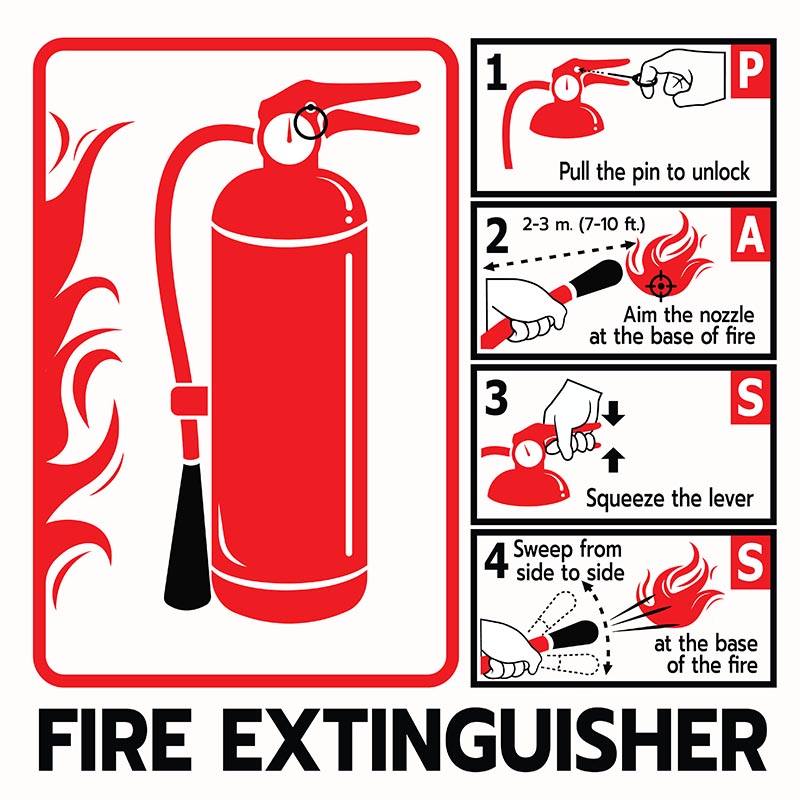
Remember the acronym P.A.S.S.
- Pull the pin to unlock
- Aim the nozzle at the base of the fire
- Squeeze the lever
- Sweep from side to side